Capitol City Robotics’ Leadership Pathways program is a talent development engine that grows bright students into tomorrow’s STEM leaders. By combining workforce skills training, paid leadership roles, mentorship, and community engagement, the program ensures young people build the confidence, skills, and networks to lead in college, careers, and life.
Students progress from mentoring younger learners to managing teams, leading workshops, organizing outreach events, guiding peers, and serving in executive leadership roles. These experiences build advanced skills in communication, collaboration, critical thinking, problem-solving, and responsible decision-making.
By participating in Leadership Pathways, students build a powerful portfolio of achievements that stands out on college applications, scholarships, and future job opportunities. They earn meaningful work experience, grow as role models in their community, develop professional networks, and learn what it feels like to be trusted, respected, and valued as leaders.
Sign-up to be notified as soon as Leadership Pathways applications open.
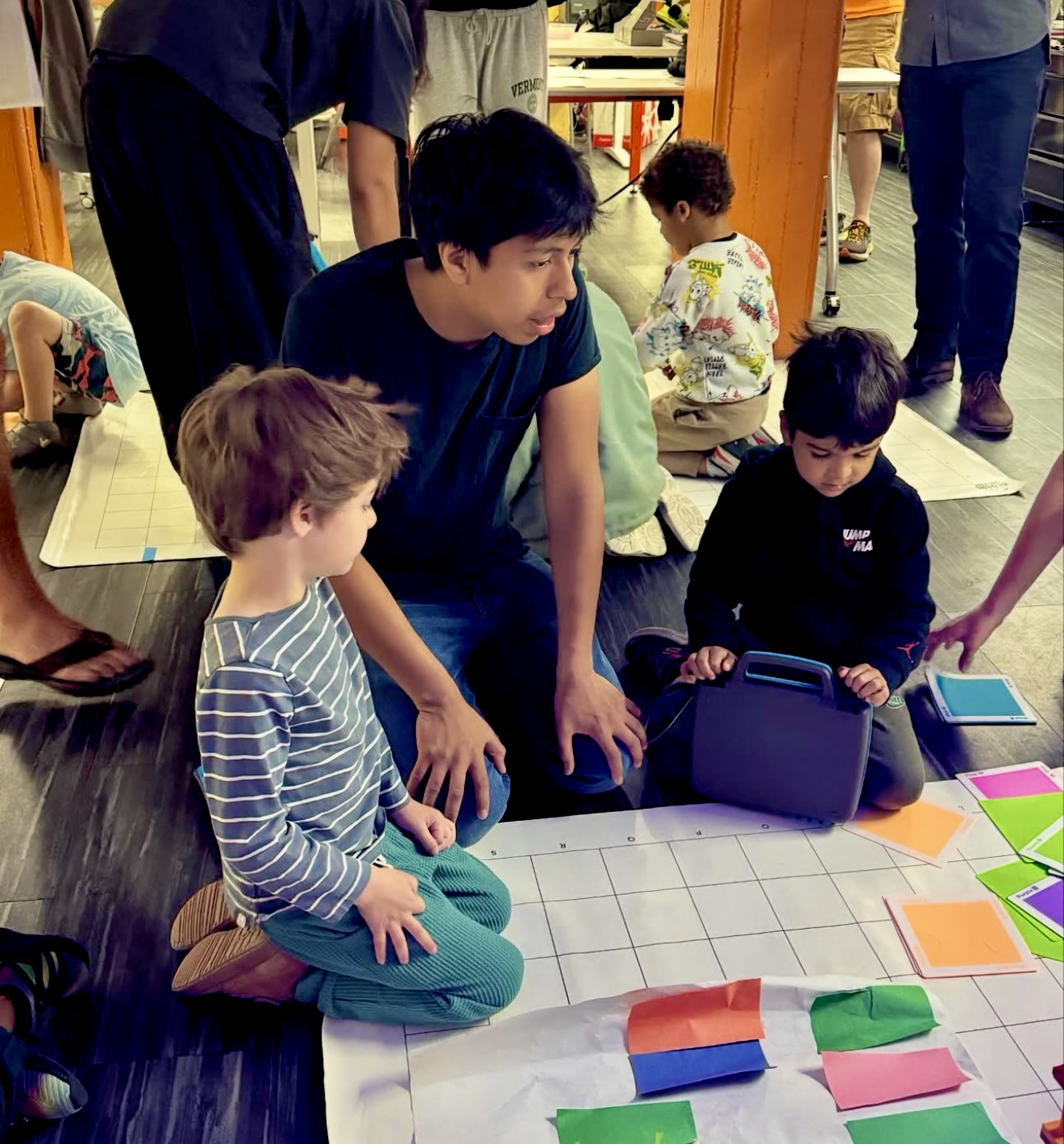

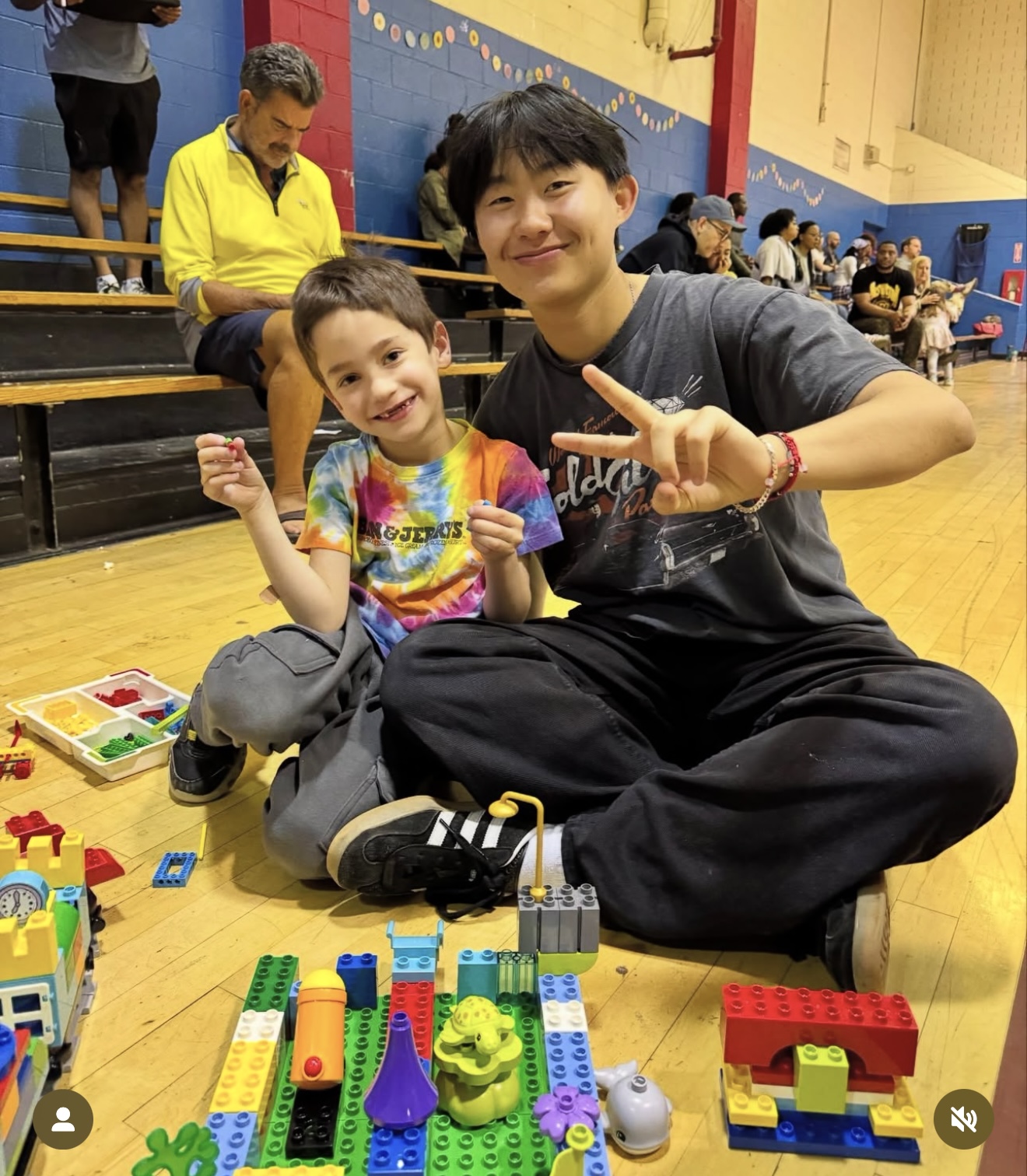
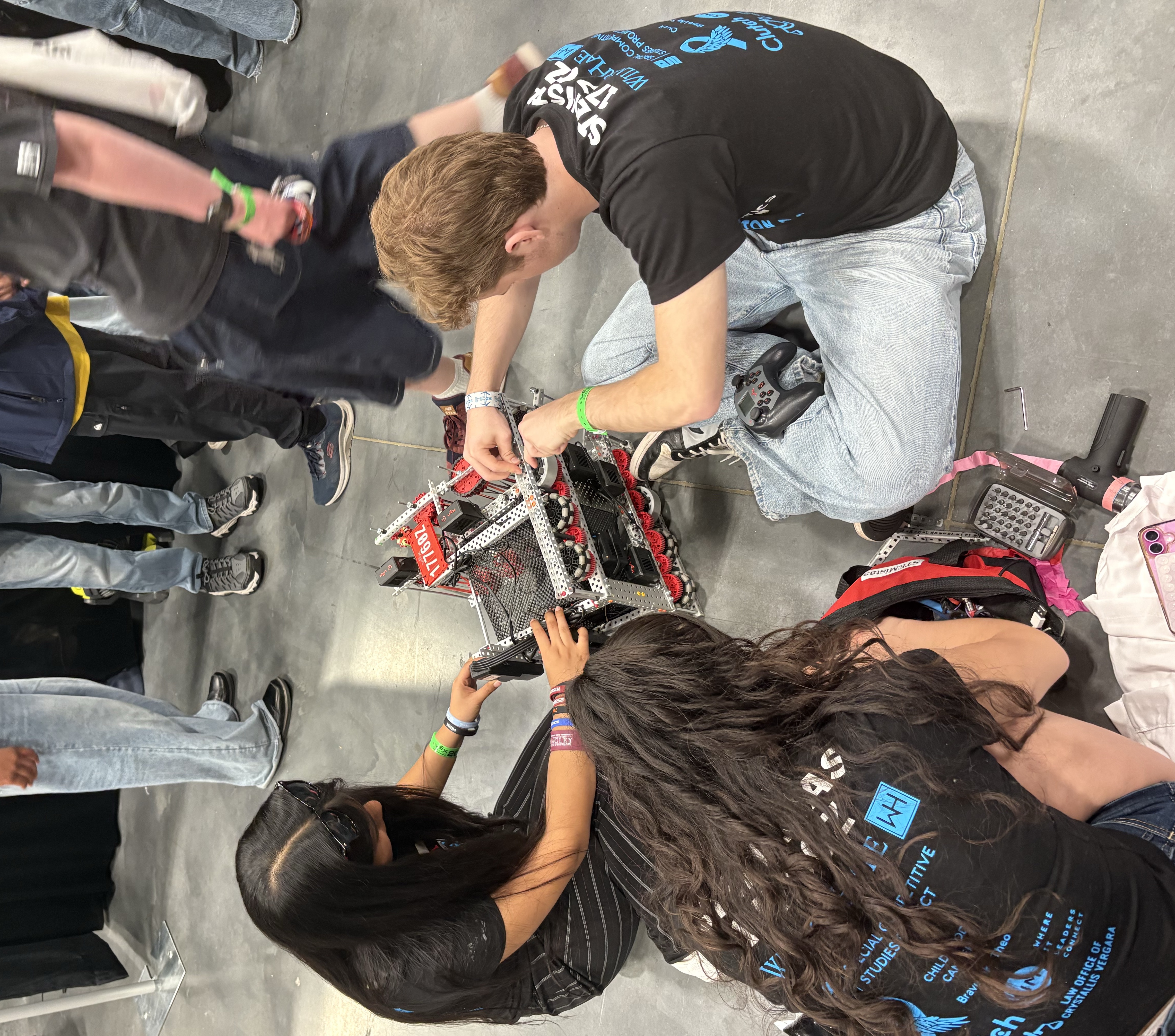

At the core of Leadership Pathways, students step into paid roles ($14–$24/hour) where they lead projects, manage teams, and develop professional skills alongside training in robotics, aerospace, and advanced technologies.
Mentor Intern → Manager-in-Training → Manager → Director - gaining hands-on experience in leadership, teamwork, and advanced STEM fields as they grow into accomplished leaders.
The Student Executive Board further reinforces this pillar by providing students with executive-level leadership experience through initiatives, project management, and strategic execution.
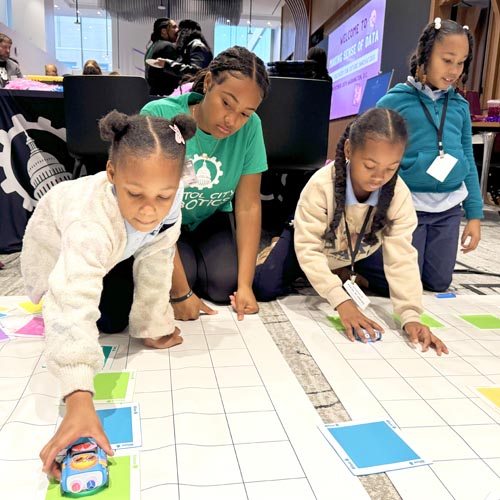
Women make up less than 30% of the STEM workforce*, and many girls leave the pipeline in middle and high school due to lack of mentors and visible opportunities.
This pillar closes those gaps through specialized mentorship, visible leadership roles, and partnerships with organizations like Women in Technology. Students become role models who actively diversify and strengthen the STEM pipeline.

Workshops, mentoring, scholarships, and skills training prepare students for higher education and advanced learning.
From navigating applications and financial aid to gaining confidence in STEM fields, this pillar equips students to transition successfully into college and thrive once there.

Students extend their leadership into the community by mentoring younger peers, leading workshops, and participating in service initiatives.
Advocacy is a critical expression of this pillar, where students engage policymakers, represent youth voices, and advance STEM initiatives.


.svg)
.svg)


